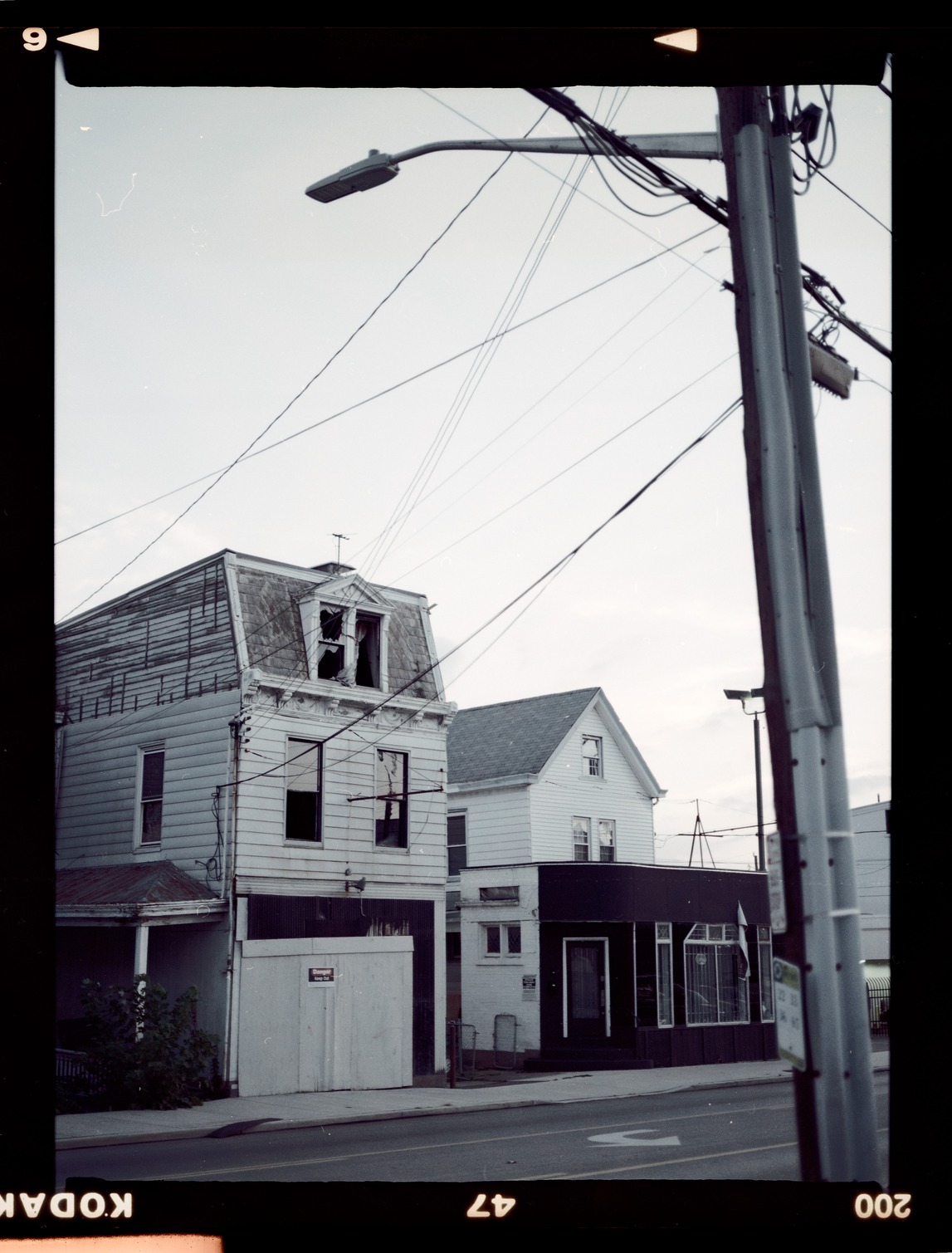
Recent Work
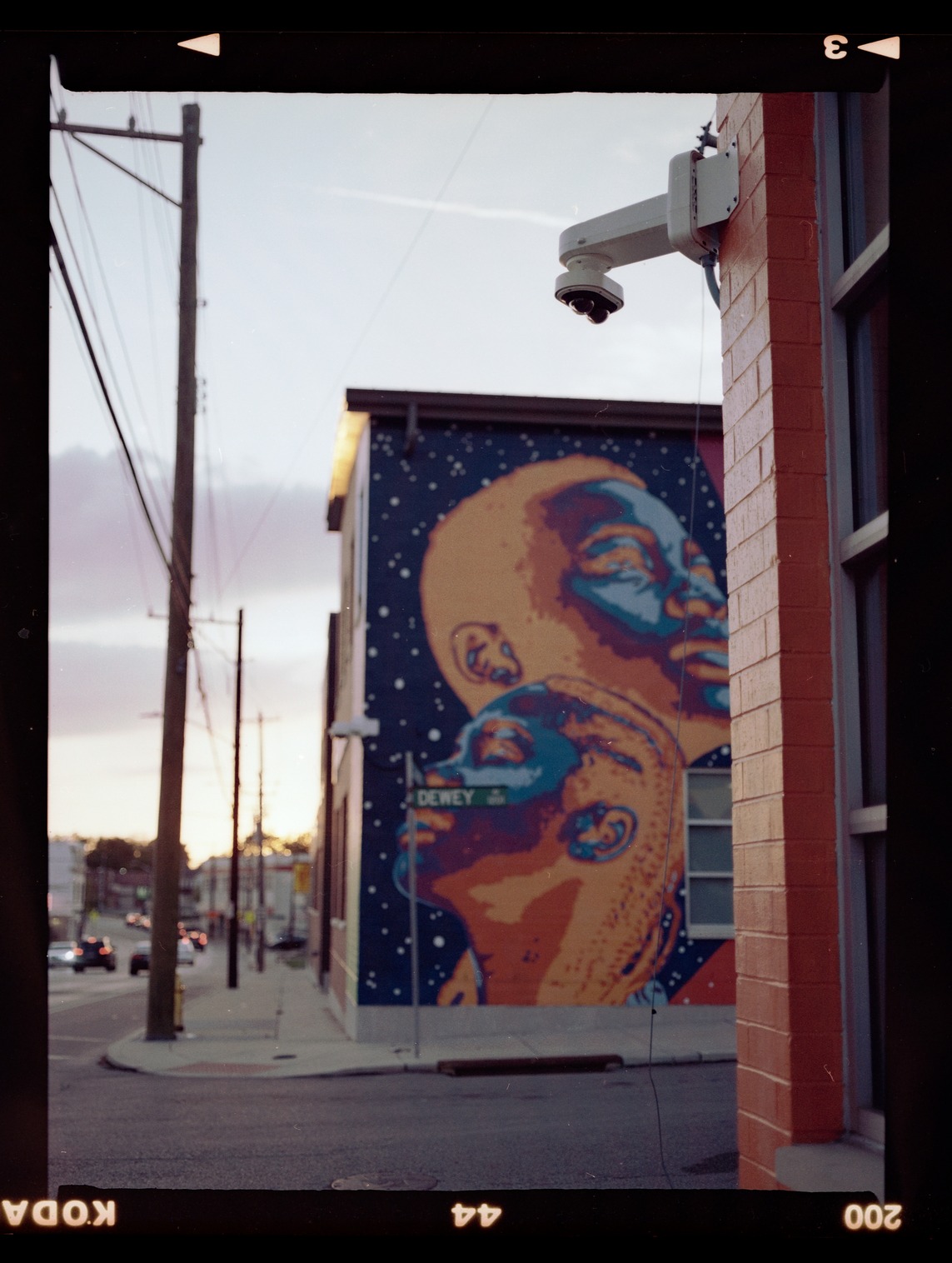
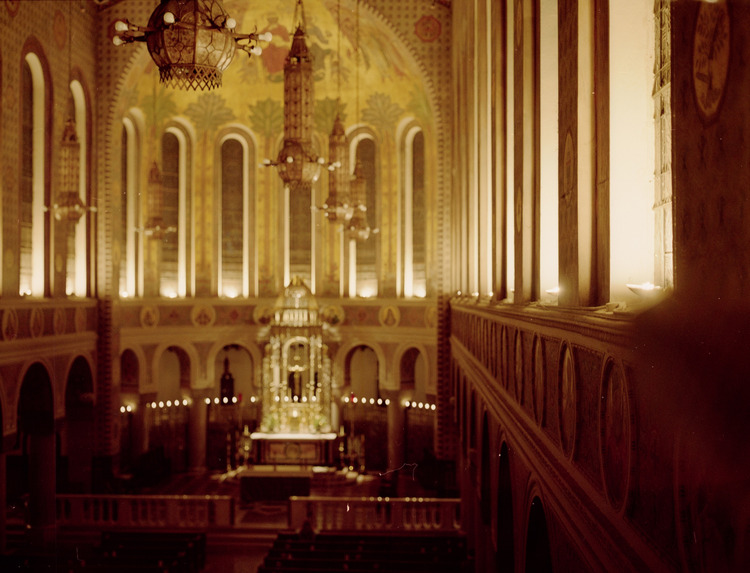
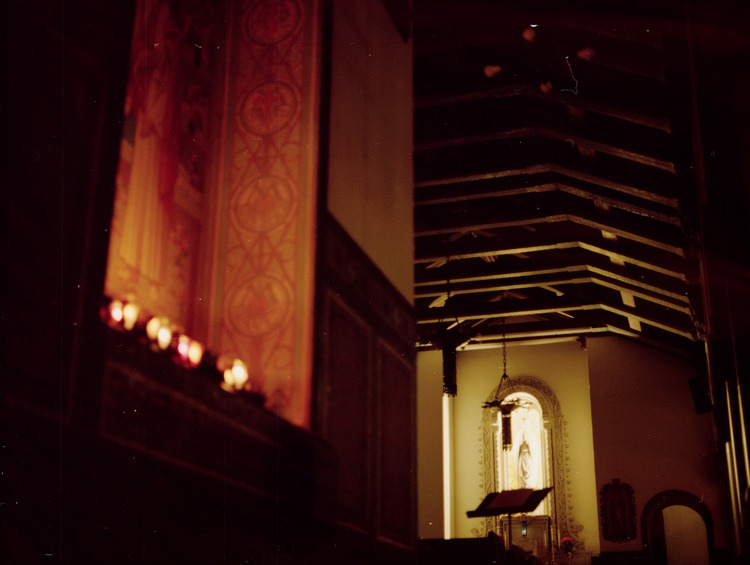
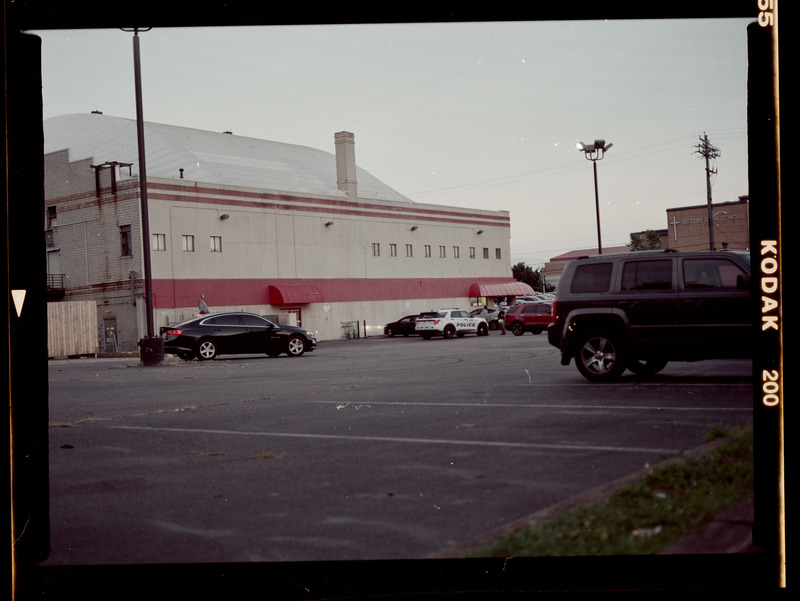
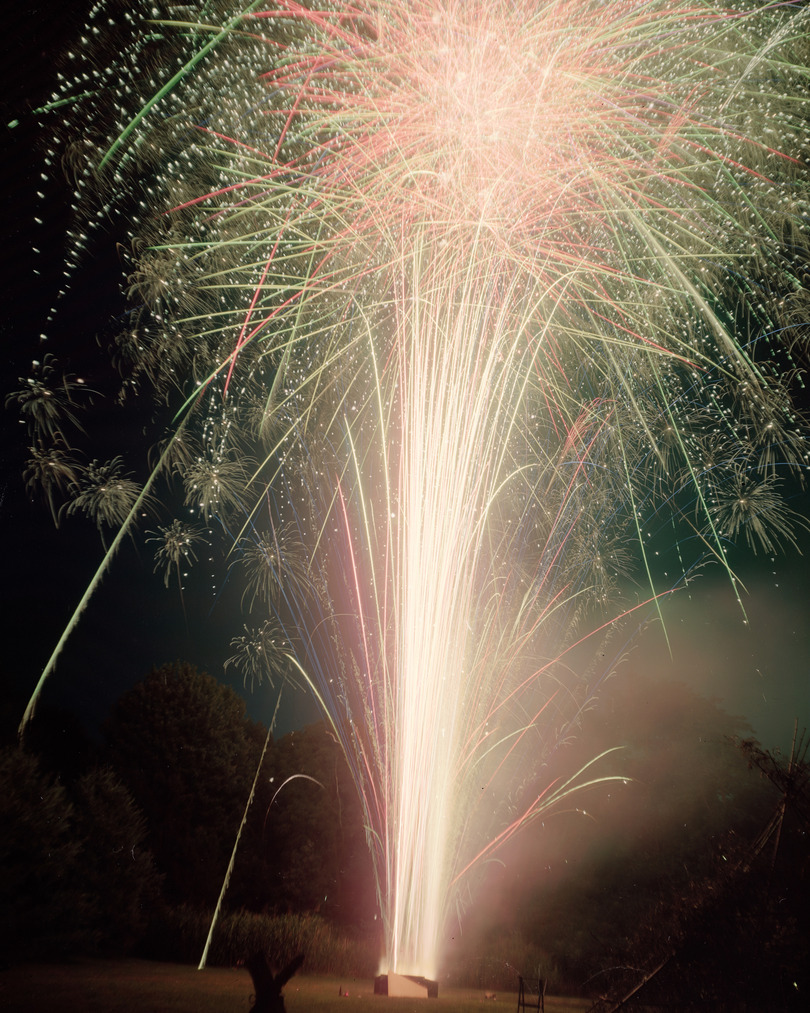
The scans shown here are intended only to display image content, and do not represent the actual quality of ordered prints. These scans may contain distortions, focus issues, color casts, and other imperfections that will not be present in final prints.
If you were present at an event, it's possible that certain photos and prints might be available for you in a private gallery. Please use the contact form to request information about what other photos might be available.
If thumbnails overlap after loading, please refresh the page.


About Film
What is Film?
Film is a method of capturing photographs using light-sensitive chemicals. The chemicals are suspended in a layer of gelatin and the gelatin is smeared across a thin piece of plastic, which can then be cut down into either roll or sheet form, loaded into a camera, and shot. Film cameras are distinct from digital cameras, which use electronic sensors to capture images, and film as a medium is distinct from other chemical-photography methods such as tin-types or daugerrotypes, which don't use bendable plastic to hold the gelatin mix, relying instead on sheets of metal or glass. There are also many other ways and processes to capture images chemically (cyanotypes, reversal paper, etc.) which aren't considered film and aren't relevant here.
Is Film Better than Digital?
Generally speaking, yes. In most circumstances, good film shot well will look more natural, organic, and lifelike than good digital images shot well. Since the beginning, the main things that digital beats film at have been convenience (shooting digital is faster and getting a "decent" image out of a digital camera is much easier) and ease-of-storage (thousands of digital images can all fit on a single SD card, 1,000 high-resolution film images would need to be carted around in a suitcase). In recent years, digital cameras have finally reached the point where the average digital photograph is higher-resolution and more sharp than the average 35mm film photograph (35mm is the smallest regularly-used film format), but 120 and larger formats still far outpace most digital cameras in terms of resolution.
Another major point in favor of film is that unlike digital cameras, which all have generally standardized sensor sizes, film comes in a variety of different sizes. These sizes, in turn, change the characteristics of the images you get. In other words, it is completely impossible for your average photographer to get the kinds of images that I can get with my 4x5 inch sheet film cameras, or my 120 film medium format cameras. They simply can't match the levels of background softness, resolution, or tonal quality, because digital cameras aren't built like that. Many of the most beautiful and pleasing images that you see in magazines and on posters were (and often are still) actually shot on larger-format film. Many, um, other famous modern images are also still shot on film.
What Are These "Formats", and What Different Types of Film are There?
What a great question!
- 35mm: The standard, most common and most popular film format, uses canisters of roll film and makes images of decent resolution and quality, usually about 36-38 images per roll.
- 120 Film: The professional standard, also known as "medium format", also very popular, also comes in rolls, but the rolls are about 2 times wider than 35mm film rolls, giving about 4x the detail. The trade off is that you get fewer images per roll, anywhere from 4 to 15 depending on the camera.
- Large Format Sheet Film: Sheet film generally starts at 4x5 inches and goes up to truly obscene sizes, though the three main large format sizes are 4x5in, 5x7in, and 8x10in. 1 sheet = 1 photograph, meaning it's extremely inefficient compared to the other formats. But the photos these cameras make are unlike anything else.
As for types of film, there are 3 big ones:
- Color Negative: creates a color image using three layers of subtractive color, which is negative, meaning both the colors and the brightness are inverted — red is cyan, blue is yellow, green is magenta, and bright things are dark. These negatives are then scanned and inverted, giving us digital images we can edit further, or printed optically in a darkroom, giving us analog prints.
- Black & White Negative: creates a black and white inverted image, where dark things are bright and bright things are dark, and then it's either scanned or printed optically (or both), similar to color negative above.
- Color Positive, Reversal, or "Slide" Film: exactly what it sounds like: using some extra chemistry tricks, instead of stopping once you've developed a negative, you "reverse" the negative to get a positive: a transparent slide that you can put in a projector and force all your friends to look at against a beige wall in a dark room. Or you can scan it and post it on Instagram, that works too.
Film Photography Pricing
The price of a shoot is comprised of 3 factors: the sitting fee (price of the photographer's time/gear/studio/etc.), the film price, and the price of the chosen prints.
The Sitting Fee
For event or sport shoots, I do not charge a sitting fee.
For portrait sessions and all other general photography, the sitting fee is $50/hr (prorated for minis).
For studio sessions or sessions requiring assistants or other rented gear, those costs will be included in the sitting fee.
Generally, the sitting fee is NOT subject to OH sales tax.
The Film Price
This includes the full cost of purchasing, developing, and proof scanning/contact printing the developed film. This cost IS subject to OH sales tax.
Film is priced per-page (of negatives). Roughly what that means is that 1 roll of 35mm (36 images) equals 1 roll of 120 (15 images), equals 4 sheets of 4x5 (4 images). The larger the images, the higher the resolution and resulting quality, but the less of them fit on a single page.
Price-per-page of Various Film Types
B&W Film:
$55
Color Film:
$70
Slide Film:
$100
The Prints
All shoots come with basic scans, which are delivered digitally, and the option of adding 4x6 proof prints at $1/print, which will be shipped, as well as contact sheets (more below). Once proofs/scans are ready, you will be given the option to choose what shots you want upscanned and printed digitally, or printed optically (darkroom). Certain packages come with pre-paid print options, and some formats (the larger ones) come with the option to do extremely high-resolution scans to get more detail. Prices are client-and-project-specific and depend on your choices of print style, medium, frame, etc.. The prices below are general guides.
Fine Art Prints
Custom darkroom prints are available for all photos. Unless otherwise requested, orders will be darkroom printed onto medium-finish paper ("Pearl" for Ilford RC papers and their equivalents, "Lustre" for Fuji). Fiber prints will use Matte finish paper. Please use the contact form at bottom of page to start an order.
Matting/framing is not included in the listed prices, and requires an additional fee. Bulk discounts for certain types of orders (such as for custom postcards) are available.
B&W Resin-Coated Prints
Contact Sheet:
$15
4x6 (Postcard):
$35
5x7:
$40
8x10:
$96
11x14:
$184
B&W Baryta Fiber Prints
5x7:
$49
8x10:
$132
11x14:
$227
16x20:
$463
20x24:
$690
B&W Cotton Rag Prints
5x7:
$75
8x10:
$157
11x14:
$315
16x20:
$615
20x24:
$1,096
Color Prints
Color Darkroom prints are made using the RA-4 chemical process, with RC paper only (Fiber and Cotton Rag RA-4 Papers have been discontinued by all manufacturers). Dye transfer printing methods are currently being discerned.
Color C-Type (Darkroom) Prints
Currently unavailable pending this bounty.
Contact Sheet:
$20
5x7:
$35
8x10:
$48
11x14:
$71
16x20:
$162
Color Digital (Giclée) Prints
5x7:
$81
8x10:
$105
11x14:
$134
16x20:
$210
Scan & DIY
Only available for comissioned work (to comissioner only). These are high-quality, high resolution professional scans made specifically for printing.
Scans (Color & B&W)
35mm:
$15
6x4.5cm:
$20
4x5in:
$35
4x5in (Drum Scan):
$200
Contact
By submitting this form, you are granting us permission to contact you using the methods you provided in it, for the purposes of this project. We promise we won't spam you (we don't even have an email list) and we also won't sell your data. For more info, see our Privacy Policy and site Terms and Conditions.
As a general rule, we will only ever attempt to contact you twice. If both attempts go unanswered, we close your file.